The way businesses communicate in Central Africa is changing fast. In Brazzaville and Kinshasa, companies that once depended on ageing analogue phone lines are now turning to internet-based solutions that cost less, do more, and scale with their growth. At the heart of this shift is a technology called SIP trunking. If you run a business in Congo-Brazzaville or the Democratic Republic of the Congo (DRC), understanding SIP trunks is no longer optional — it is a competitive advantage.
What Is a SIP Trunk?
SIP stands for Session Initiation Protocol, the standard that allows voice calls to travel over an IP network instead of traditional copper telephone lines. A SIP trunk is the virtual link that connects your company's phone system (a PBX or a cloud-based platform) to the public telephone network through your internet connection.
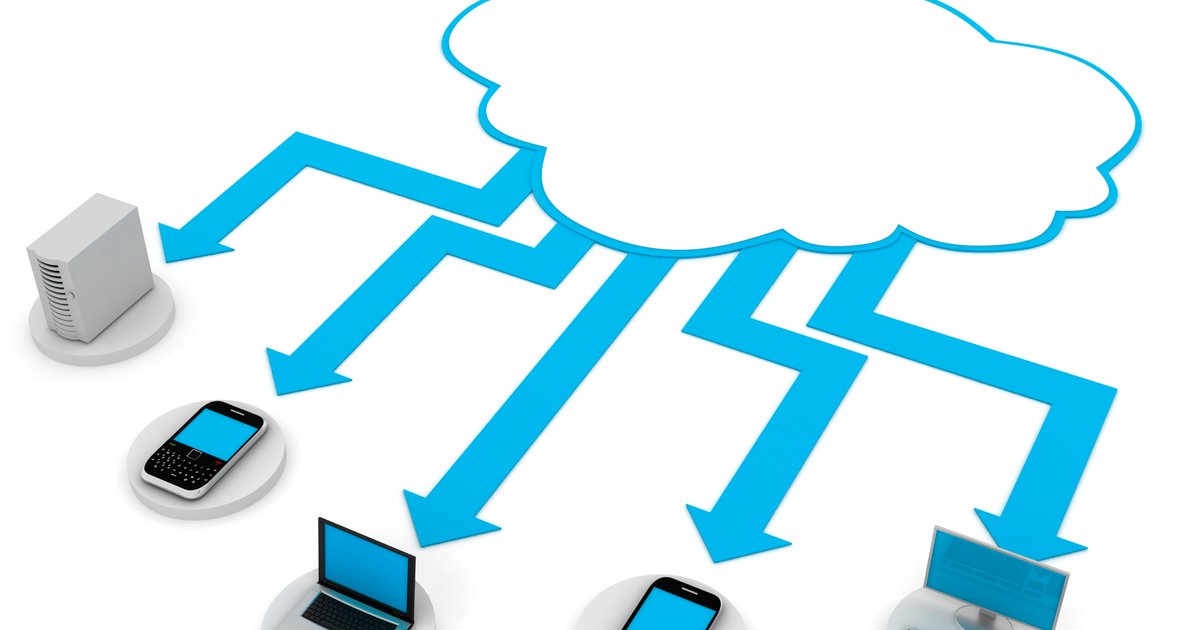
Think of it as a bridge. On one side, your internal phone system. On the other, the outside world — customers, suppliers, partners, and mobile networks across Congo and the DRC. A SIP trunk carries all your calls across that bridge digitally, without the need for physical phone lines.
Instead of paying for multiple analogue lines and expensive international call rates, a business can use a single SIP trunk that supports several simultaneous calls at a fraction of the cost.
Why SIP Trunking Matters for Congolese Businesses
The telecom landscape in Congo-Brazzaville and the DRC has its own realities: mobile penetration is high, fixed-line infrastructure is limited, and call costs — especially international — can weigh heavily on operating budgets. SIP trunking directly addresses these challenges.
Lower communication costs
Traditional telephony charges per line and per minute, with international calls often billed at premium rates. SIP trunks route calls over the internet, which dramatically reduces costs, particularly for branches communicating between Brazzaville, Pointe-Noire, Kinshasa, Lubumbashi, and beyond.
Scalability without heavy investment
Need ten more phone lines for a new department? With analogue systems, that means new hardware, new cabling, and weeks of delay. With a SIP trunk, capacity is added virtually — often within hours. This flexibility suits fast-growing companies in sectors such as banking, logistics, mining, retail, and hospitality.
One network for voice and data
SIP trunking lets your business run voice and internet over the same connection. That means fewer contracts, simpler infrastructure, and easier management for your IT team.
Better call quality and features
Modern SIP platforms support HD voice, call recording, voicemail-to-email, interactive voice response (IVR), and detailed call analytics. These are features that traditional lines simply cannot match.
How SIP Trunking Works in Practice
For a business in Kinshasa or Brazzaville, the setup is straightforward:
- Your IP PBX or cloud phone system manages internal extensions and call routing.
- The SIP trunk connects that system to an operator's voice gateway.
- Your internet connection carries the voice traffic.
- The operator (such as CEC TELECOM) handles interconnection with local and international networks.
The result: your team dials a number as usual, the call travels over IP, and the recipient answers on any phone — mobile, fixed, or VoIP.
SIP Trunk vs Traditional Telephony: A Quick Comparison
| Criteria | Traditional Lines | SIP Trunk |
|---|---|---|
| Cost per line | High | Low |
| International calls | Expensive | Competitive |
| Scalability | Slow, hardware-based | Instant, virtual |
| Features | Basic | Advanced (IVR, recording, analytics) |
| Maintenance | Physical infrastructure | Centralised, remote |
For a Congolese company with multiple sites or frequent international calls, the difference in monthly costs can be substantial.
Key Use Cases in Congo-Brazzaville and the DRC
Multi-site enterprises
A company with offices in Brazzaville and Pointe-Noire, or Kinshasa and Goma, can connect all sites on a single SIP infrastructure. Internal calls between branches become free, and management is centralised.
Call centres and customer service
SIP trunks support high call volumes, smart routing, and call recording — essential for banks, insurance companies, and telecom operators serving Congolese customers.
International-facing businesses
Exporters, logistics firms, and mining companies dealing with partners in Europe, Asia, or the Middle East benefit from significantly lower international rates.
Remote and hybrid work
With SIP, employees can use softphones on laptops or mobiles, keeping a professional business number wherever they are.
Choosing the Right SIP Trunk Provider
Not all SIP providers are equal, especially in Central Africa. When evaluating options, look for:
- Local presence and interconnection with Congolese and DRC networks
- Reliable, low-latency connectivity to guarantee call quality
- Redundancy and failover so calls continue even if one route fails
- Technical support in French and English, available in your time zone
- Competitive per-minute rates for local, national, and international calls
This is where working with a recognised local expert makes a real difference. CEC TELECOM specialises in voice and data solutions for businesses across Congo-Brazzaville and the DRC, and has built its reputation on responsive support, tailored offers, and a deep understanding of the region's telecom environment.
Common Concerns — Answered
"Is call quality reliable?"
Yes, provided your internet connection is properly dimensioned. CEC TELECOM helps businesses assess bandwidth needs and can prioritise voice traffic to ensure clear, consistent calls.
"Can I keep my existing numbers?"
In most cases, yes. Number portability and migration are handled by the provider, allowing a smooth transition with minimal disruption.
"What if the internet goes down?"
A well-designed SIP deployment includes redundancy — backup connections or automatic failover to mobile networks — so your business stays reachable.
"Is it secure?"
SIP trunks support encryption and authentication protocols. Reputable providers implement security measures to protect against fraud and unauthorised access.
The Future of Business Telephony in Central Africa
As fibre and broadband coverage expand across Congo-Brazzaville and the DRC, VoIP adoption will only accelerate. Businesses that move early gain a clear edge: lower costs, greater agility, and richer communication tools. SIP trunking is not a passing trend — it is the new standard for professional telephony in the region.
Ready to Modernise Your Business Telephony?
Whether you run a small office in Brazzaville or a multi-site operation spanning Kinshasa, Lubumbashi, and Pointe-Noire, SIP trunking can transform how your business communicates — cutting costs while improving reliability and features.
Contact CEC TELECOM today to discuss your needs and receive a tailored SIP trunk solution for your company. Our team is available to answer your questions, assess your infrastructure, and guide you through every step of the migration. Modernise your telephony with a partner who knows the Congolese market inside out.