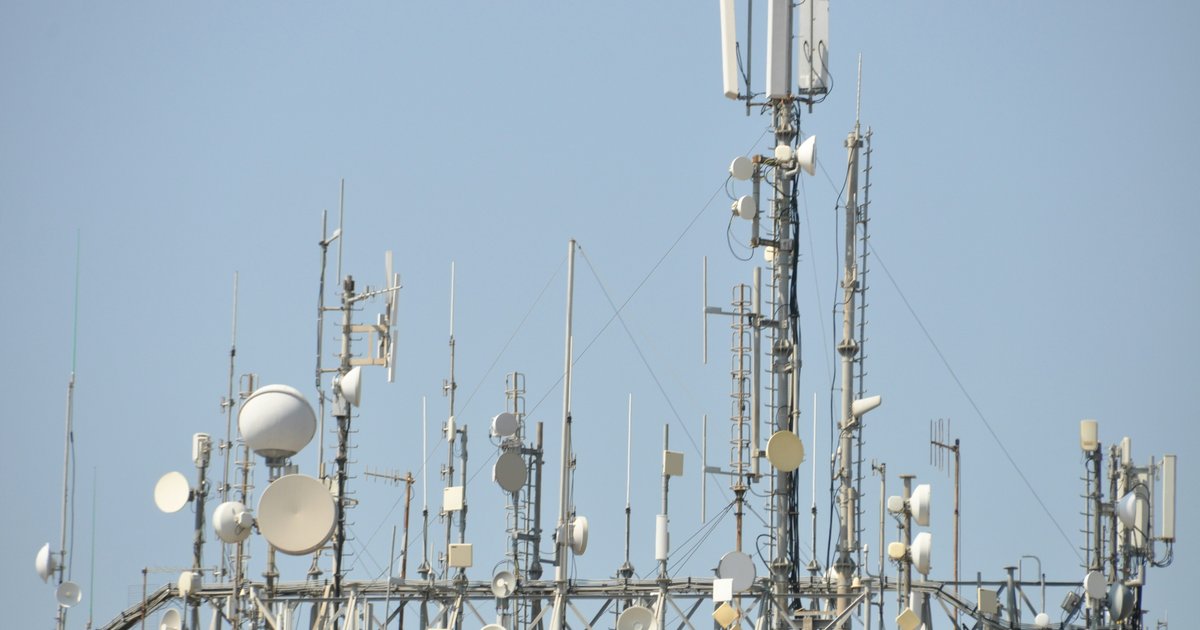
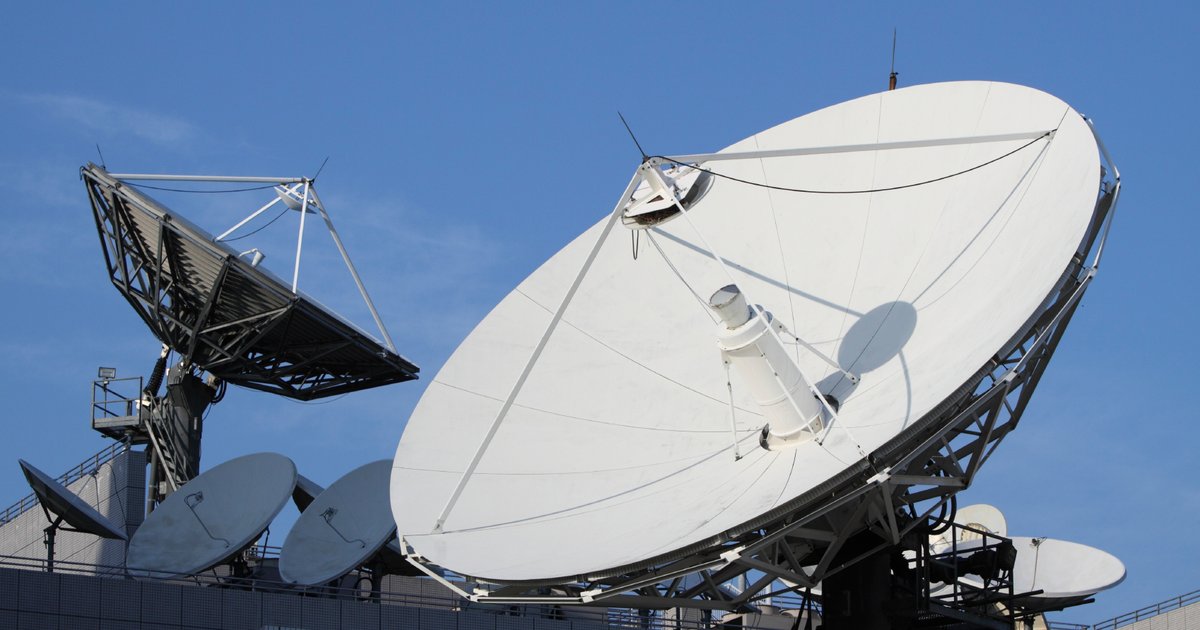
In a region as vast and dynamic as Central Africa, reliable connectivity is the backbone of business growth. Yet, for many companies operating in Congo-Brazzaville and the Democratic Republic of the Congo (DRC), laying fibre optic cable across difficult terrain or congested urban areas remains a slow and costly challenge. This is where point-to-point microwave links step in as a proven, flexible, and high-performance alternative. By transmitting data wirelessly between two fixed antennas using focused radio waves, businesses can establish dedicated, high-capacity connections in a fraction of the time required for traditional cable infrastructure.
Why Point-to-Point Microwave Links Matter in Central Africa
The telecom landscape in Congo-Brazzaville and the DRC presents unique obstacles. Fibre deployment is often hindered by dense rainforests, river crossings, unstable ground, and lengthy administrative procedures. In cities such as Brazzaville, Pointe-Noire, Kinshasa, and Lubumbashi, congestion and the sheer cost of civil works can delay connectivity projects by months.
Point-to-point microwave links offer a practical answer to these challenges. They provide:
- Rapid deployment: A link can often be installed and operational in days or weeks, not months.
- Cost efficiency: No trenching, no right-of-way negotiations, and far less civil engineering.
- High capacity: Modern systems support throughputs from tens of Megabits per second up to several Gigabits per second.
- Reliability: Licensed frequency bands deliver carrier-grade availability, even in challenging tropical climates.
- Scalability: Capacity can be upgraded as your business grows.
For enterprises, ISPs, government institutions, and industrial sites across the region, microwave links have become a strategic tool for building resilient networks.
How Point-to-Point Microwave Technology Works
The Basics of a Microwave Link
A point-to-point microwave link connects two locations through a highly directional radio beam. Each end of the link uses a dish antenna carefully aligned with its counterpart, creating a dedicated "line of sight" connection. Unlike mobile networks that serve many users at once, this link is reserved exclusively for the data you need to transmit.
The key components include:
- Outdoor units (ODUs): The radio transceivers mounted on the antenna.
- Indoor units (IDUs): The interface equipment that connects the link to your network.
- Antennas: Parabolic dishes sized according to distance and capacity requirements.
- Structured cabling and power systems: Designed for reliability in harsh environments.
Line of Sight and Path Planning
The success of any microwave link depends on a clear line of sight between the two antennas. Engineers must account for:
- Distance and terrain: Long links require larger antennas and careful tower placement.
- Fresnel zone clearance: An elliptical area around the beam must remain free of obstructions such as trees, buildings, and cranes.
- Rain fade: In tropical climates, heavy rainfall can attenuate signals, so link budgets must be calculated with adequate margins.
- Interference management: Licensed spectrum and rigorous frequency planning ensure stable performance.
Professional path surveys, using GPS and topographic data, are essential. This is where the experience of a specialist operator makes a real difference.
Applications for Businesses in Congo-Brazzaville and the DRC
Point-to-point microwave links serve a wide range of use cases across both countries:
Enterprise Connectivity Between Sites
Companies with offices, warehouses, or branches in different parts of a city—or even across regions—can link them into a single, high-speed private network. This enables secure file sharing, VoIP telephony, video conferencing, and centralized applications without recurring leased-line costs.
Internet Service Providers and Mobile Operators
ISPs and mobile network operators rely on microwave links for backhaul, connecting cell sites and distribution nodes to the core network. In areas where fibre is unavailable or slow to deploy, microwave backhaul keeps subscribers connected.
Banking and Financial Services
Banks and microfinance institutions need secure, always-on connectivity between branches and data centres. Dedicated microwave links provide the reliability and privacy that financial transactions demand.
Mining and Industrial Operations
In the DRC's mining regions and industrial zones, microwave links connect remote sites, camps, and control centres. They support SCADA systems, security cameras, and operational data transmission where cable infrastructure is impractical.
Public Sector and Institutions
Hospitals, universities, and government agencies use microwave links to connect facilities quickly, supporting telemedicine, e-learning, and administrative systems.
Key Advantages Over Alternative Technologies
When comparing connectivity options, point-to-point microwave links stand out for several reasons:
- Independence from third-party infrastructure: You are not dependent on another operator's fibre routes or last-mile copper.
- Low latency: Direct links minimize delays, which is critical for real-time applications.
- Fast return on investment: Lower installation costs translate into quicker payback.
- Resilience: Microwave links can serve as backup routes for fibre, ensuring business continuity.
- Flexibility: Links can be relocated or upgraded as needs evolve.
Choosing the Right Partner: The CEC TELECOM Advantage
Deploying a microwave network requires more than equipment—it demands local expertise, rigorous engineering, and responsive support. CEC TELECOM has built a strong reputation as a specialist in telecom infrastructure across Congo-Brazzaville and the DRC.
With CEC TELECOM, businesses benefit from:
- Site surveys and feasibility studies tailored to local terrain and climate conditions.
- Frequency planning and licensing support to ensure compliant, interference-free operation.
- Professional installation by experienced field teams.
- Ongoing maintenance and monitoring to guarantee high availability.
- A customer-first approach, with teams that respond quickly and courteously to the needs of Congolese businesses.
Whether you are an ISP expanding coverage, a bank connecting branches, or an industrial group linking remote sites, CEC TELECOM designs and delivers microwave solutions that match your capacity, budget, and timeline.
Planning Your Microwave Link Project
Before launching a project, consider these practical steps:
- Define your requirements: Identify the sites to connect, the bandwidth needed, and the applications to support.
- Assess the path: Conduct a line-of-sight survey and evaluate terrain, obstacles, and distance.
- Select frequency bands: Licensed bands offer protection from interference; the choice depends on distance and capacity.
- Design for resilience: Include redundancy, backup power, and rain-fade margins.
- Plan for growth: Choose scalable equipment that can be upgraded as demand increases.
A trusted partner can guide you through each stage, from initial study to full commissioning and after-sales support.
Conclusion: Connect with Confidence
Point-to-point microwave links offer a fast, reliable, and cost-effective way to connect sites across Congo-Brazzaville and the DRC. In a market where infrastructure challenges can slow progress, microwave technology keeps businesses moving—delivering the capacity and availability needed to compete and grow.
Ready to connect your operations? Contact CEC TELECOM today to discuss your project. Our experts will assess your needs, propose the right microwave link solution, and support you every step of the way—from site survey to installation and maintenance. Reach out to our team and discover how reliable connectivity can transform your business.