In Brazzaville and Kinshasa, businesses in the banking, retail, logistics and extractive sectors are increasingly moving away from analog CCTV toward IP video surveillance. The reasons are simple: better image quality, remote access from a smartphone, intelligent motion detection and lower long-term maintenance costs. Yet choosing an IP system in Central Africa is not the same as choosing one in Europe. Power cuts, unstable internet connections, dust, humidity and the sheer size of some industrial sites all shape the decision. This guide explains, step by step, how to design, deploy and maintain an IP video surveillance system in Congo-Brazzaville and the DRC, and how to avoid the mistakes that cost local businesses the most money.
What Is IP Video Surveillance?
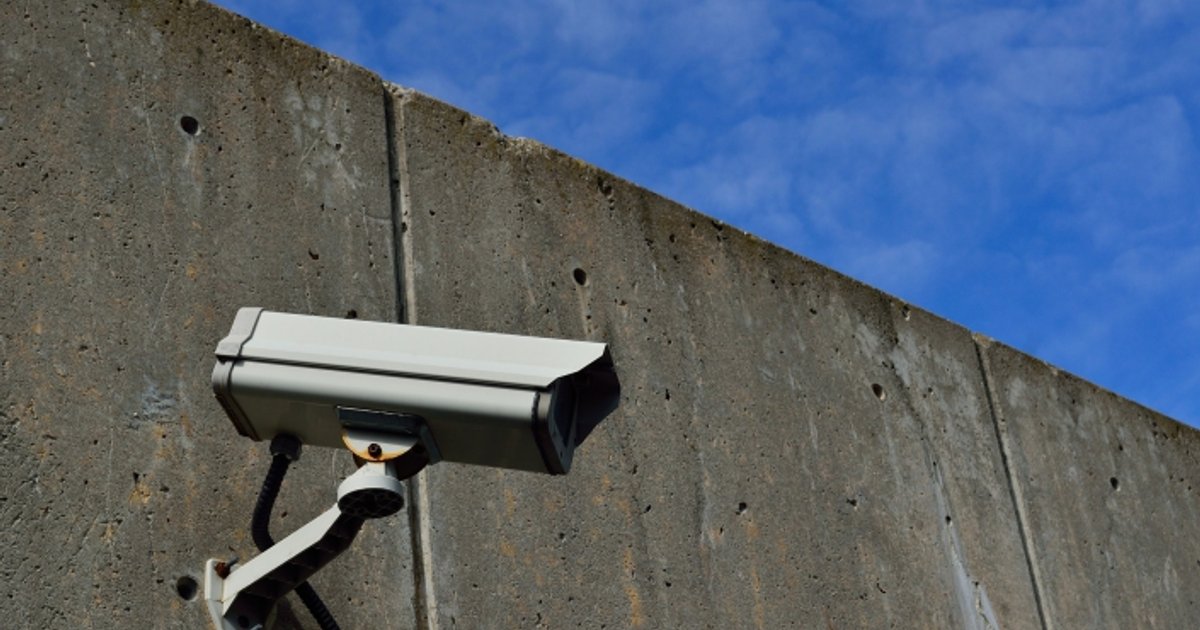
IP video surveillance uses cameras that transmit video over an IP network (Ethernet or Wi-Fi) rather than through a traditional analog coaxial cable connected to a DVR. Each camera is a small computer with its own IP address, encoding chip and often its own storage slot (microSD) or edge-recording capability.
The consequences are significant for a business:
- Higher resolution. IP cameras deliver 2 MP to 8 MP (4K), compared with 0.4 MP for most analog cameras still installed in Congo.
- One cable, multiple uses. A single Cat6 cable carries video, audio, power (PoE) and data.
- Remote viewing. A manager in Pointe-Noire can watch a warehouse in Kinshasa from a laptop or phone.
- Scalability. Adding a camera means adding a network port, not rebuilding the entire cabling.
- Analytics. Line crossing, intrusion detection, people counting, ANPR for vehicle plates.
Why IP Surveillance Matters for Businesses in Congo-Brazzaville and the DRC
Shrinkage and internal theft
In retail and warehousing, internal shrinkage remains one of the largest hidden costs. IP cameras with face capture and till-overlay integration make it possible to correlate a transaction with the person who performed it.
Site security in high-risk areas
From the industrial zones of Maluku to the port areas of Pointe-Noire, sites face intrusion, fuel theft and vandalism. IP cameras with infrared or thermal sensors detect intrusions at night, and analytics trigger alerts before the incident escalates.
Multi-site management
Groups operating in both Congo-Brazzaville and the DRC often manage several branches. A centralized video management system (VMS) allows all sites to be monitored from one control room in Brazzaville or Kinshasa, with user rights per location.
Compliance and evidence
Insurance companies and courts increasingly expect recorded, time-stamped and exportable evidence. IP systems produce searchable archives with metadata, which analog DVRs rarely provide.
Key Technical Considerations for Congo and the DRC
Power stability
Power cuts are frequent. An IP system must be protected by:
- A UPS sized for at least 30 minutes of autonomy on the NVR and network switch.
- A hybrid inverter or solar backup for sites with long outages.
- PoE switches with surge protection, because voltage spikes destroy cameras and switches.
Internet bandwidth and connectivity
Remote viewing consumes bandwidth. A realistic rule:
- 1 camera at 1080p ≈ 2 to 4 Mbps for live remote viewing.
- 10 cameras viewed simultaneously ≈ 20 to 40 Mbps.
Where fiber is unavailable, 4G/LTE routers with dual SIM (one Congolese operator, one DRC operator for border sites) provide resilience. Local recording on the NVR remains essential so that a connectivity outage never means a recording outage.
Climate and environment
Dust in Kinshasa's dry season and humidity in coastal Pointe-Noire require IP66 or IP67 rated cameras, with IK10 vandal-proof housings in public areas. Outdoor cabinets must be ventilated and fitted with filters.
Cabling and lightning
In regions with heavy storms, all outdoor network runs should use shielded Cat6, and every external line must pass through an Ethernet surge protector. Poor grounding is the leading cause of dead cameras after the first rainy season.
Choosing the Right Cameras
| Need | Recommended camera |
|---|---|
| Shop entrance | 4 MP dome, IR 30 m, built-in microphone |
| Warehouse aisle | 4 MP bullet, IR 50 m, motorized zoom |
| Perimeter fence | 8 MP or thermal bullet with line-crossing analytics |
| Parking and gates | ANPR camera with plate recognition |
| Office reception | 4 MP turret with face capture |
Avoid the temptation to buy the cheapest cameras found online. In Congo, a camera that fails after eight months costs far more in replacement labour than a reliable model bought from a local integrator.
Storage, Recording and Retention
- NVR vs. cloud. Local NVR remains the standard in Congo because it works during internet outages. Cloud or hybrid backup complements it.
- Retention period. Most businesses keep 30 days. Banks and mining sites often require 90 days.
- Storage calculation. A 4 MP camera at 15 fps with H.265 compression uses roughly 15 to 20 GB per day. Ten cameras over 30 days require about 6 TB, so plan for 8 TB with RAID.
- Redundancy. Use surveillance-grade hard drives and RAID 1 or RAID 5. A failed single disk should never erase a month of evidence.
Installation Best Practices
- Site survey first. Map lighting, blind spots, cable paths and power sources before ordering equipment.
- Network segmentation. Put cameras on a dedicated VLAN, isolated from the office network.
- Strong passwords and firmware updates. Default credentials are the number one cause of camera hacking.
- Correct camera height. 2.5 to 3 m for facial identification, higher for overview.
- Lighting. Avoid pointing cameras directly at the sun or at strong floodlights.
- Documentation. Label every cable, port and IP address. Future maintenance becomes far cheaper.
Common Mistakes to Avoid
- Buying cameras before defining the security objective.
- Ignoring UPS and surge protection.
- Using Wi-Fi cameras for critical outdoor coverage.
- Recording at maximum resolution and frame rate with no storage plan.
- Forgetting to train staff on exporting evidence.
- Choosing a supplier with no local after-sales presence.
Why Work with CEC TELECOM
CEC TELECOM is a specialist in telecommunications and IP video surveillance for businesses in Congo-Brazzaville and the DRC. Our teams handle the full cycle: site audit, network design, supply of professional-grade equipment, installation, configuration of the VMS, staff training and maintenance contracts with guaranteed response times.
We understand the local reality: unstable power, variable bandwidth, harsh climate and the need for a partner who answers the phone. Whether you manage a single shop in Brazzaville, a logistics hub in Pointe-Noire or several sites across Kinshasa and Lubumbashi, we design a solution sized to your budget and your actual risk.
Conclusion
IP video surveillance is no longer a luxury for Congolese businesses; it is an operational tool for protecting assets, people and margins. The technology is mature, but success depends on proper design, robust power and network infrastructure, and professional installation. Done well, an IP system pays for itself through reduced losses and better operational visibility. Done poorly, it becomes an expensive source of frustration.
Ready to secure your site? Contact CEC TELECOM today for a free site assessment and a tailored IP video surveillance proposal for your business in Congo-Brazzaville or the DRC. Our team will respond quickly and guide you from the first audit to full deployment.