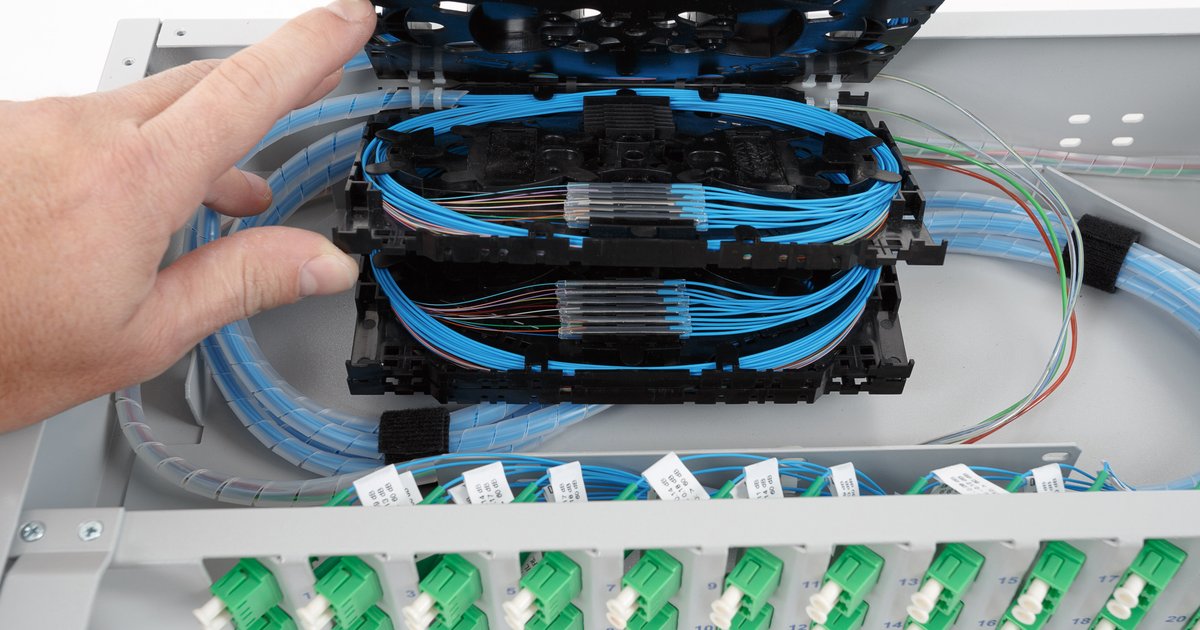

In Brazzaville and Kinshasa, a single failed server can bring an entire business day to a standstill. Yet most companies only call a technician when something breaks — a hard drive fails, a network switch dies, a ransomware attack locks every file. That reactive approach costs far more than most managers realize, both in repair bills and in lost productivity. Preventive IT maintenance flips this logic: instead of waiting for failure, you anticipate it, monitor it, and neutralize it before it reaches your operations.
For businesses operating in Congo-Brazzaville and the Democratic Republic of Congo, where power fluctuations, dust, humidity, and heat are constant threats to electronic equipment, prevention is not a luxury. It is a survival strategy.
What Is Preventive IT Maintenance?
Preventive IT maintenance covers all the scheduled actions taken to keep computer systems healthy, secure, and performing at their best. Unlike corrective maintenance — which intervenes after a breakdown — preventive maintenance works upstream.
It typically includes:
- Hardware inspections: checking servers, workstations, printers, routers, and switches for signs of wear, overheating, or failing components.
- Software updates: applying security patches, firmware updates, and operating system upgrades on a defined schedule.
- Data backups: verifying that backups run correctly and that restoration actually works.
- Security audits: scanning for vulnerabilities, reviewing antivirus status, and monitoring suspicious activity.
- Performance monitoring: tracking disk space, memory usage, network traffic, and system logs.
- Physical environment checks: assessing ventilation, air conditioning, dust levels, and electrical stability in server rooms.
Each of these actions is simple on its own. Combined into a regular maintenance plan, they form a protective shield around your entire IT infrastructure.
Why Preventive Maintenance Matters More in Central Africa
IT equipment in Congo-Brazzaville and the DRC operates in conditions that accelerate wear. Frequent power cuts and voltage spikes can damage power supplies, motherboards, and hard drives. High humidity in coastal and riverside cities like Pointe-Noire and Kinshasa corrodes connectors. Dust, especially during the dry season, clogs fans and causes servers to overheat.
Add to this the reality of limited access to replacement parts and specialized technicians. When a critical component fails in Brazzaville, importing a replacement can take days or even weeks. During that time, your team cannot work, your customers cannot be served, and your revenue stops.
Preventive maintenance addresses these specific risks:
- Voltage regulators and UPS systems are tested regularly so your equipment survives power cuts.
- Cooling and ventilation are checked before the hot season pushes servers beyond safe temperatures.
- Critical spares are identified in advance, so replacements are on hand when needed.
- Remote monitoring detects anomalies — an overheating server, a failing disk — before they cause downtime.
In short, preventive maintenance turns unpredictable emergencies into planned, manageable tasks.
The Real Cost of Doing Nothing
Many managers see maintenance contracts as an unnecessary expense. The numbers tell a different story.
A failed hard drive can cost a company several days of lost work plus the price of emergency data recovery — often far more than a year of preventive maintenance. A ransomware attack, frequently enabled by an unpatched system, can halt operations entirely and damage your reputation with clients. An overheating server that shuts down during a major transaction can cost you a contract.
There is also the human cost. When IT staff spend their days fighting fires, they have no time to improve systems, train users, or support business growth. Preventive maintenance frees them to work strategically.
What a Good Preventive Maintenance Plan Looks Like
An effective plan is tailored to your business, but most include the following pillars.
1. Regular Audits and Inventories
You cannot protect what you have not mapped. A complete inventory of hardware, software, and network equipment is the starting point. Audits reveal aging machines, unauthorized software, and forgotten devices still connected to your network.
2. Scheduled Updates and Patch Management
Cyberattacks increasingly target known vulnerabilities. Applying updates promptly — operating systems, antivirus definitions, firmware — closes these doors before attackers walk through them.
3. Backup Verification
A backup that has never been tested is not a backup; it is a hope. Preventive maintenance includes regular restoration tests to confirm your data can actually be recovered.
4. Monitoring and Alerts
Continuous monitoring tools track the health of your servers, network, and endpoints. Alerts flag issues such as disk failures, unusual logins, or bandwidth saturation, allowing intervention before users notice anything.
5. Physical Maintenance
Cleaning dust from servers, checking air conditioning, testing UPS batteries, and organizing cabling are unglamorous tasks — but they prevent some of the most common failures in Central African IT environments.
6. Documentation and Reporting
Every intervention should be documented. Reports help managers understand the state of their infrastructure, plan budgets, and justify investments.
Choosing the Right Partner in Congo-Brazzaville and the DRC
Implementing preventive maintenance requires more than good intentions. It requires local presence, technical expertise, and a deep understanding of the constraints businesses face in the region — unreliable power, import delays, and a fast-growing digital economy.
CEC TELECOM supports companies across Congo-Brazzaville and the DRC with tailored maintenance programs. From network infrastructure and server management to cybersecurity and user support, CEC TELECOM's teams intervene quickly, speak the language of local businesses, and build maintenance plans adapted to each company's size and sector.
Whether you run a bank in Brazzaville, a logistics company in Pointe-Noire, or a growing enterprise in Kinshasa, having a responsive local partner makes the difference between a minor incident and a major crisis.
Conclusion: Prevention Is an Investment, Not a Cost
Your IT equipment powers everything your business does. Protecting it with a structured preventive maintenance plan is one of the smartest investments you can make. You reduce downtime, extend the life of your hardware, strengthen your security, and give your teams the stability they need to perform.
Do not wait for the next breakdown to act.
Contact CEC TELECOM today to request a free audit of your IT infrastructure and discover a preventive maintenance plan designed for your business in Congo-Brazzaville or the DRC. Our experts are ready to respond quickly and guide you toward a safer, more reliable IT environment.