
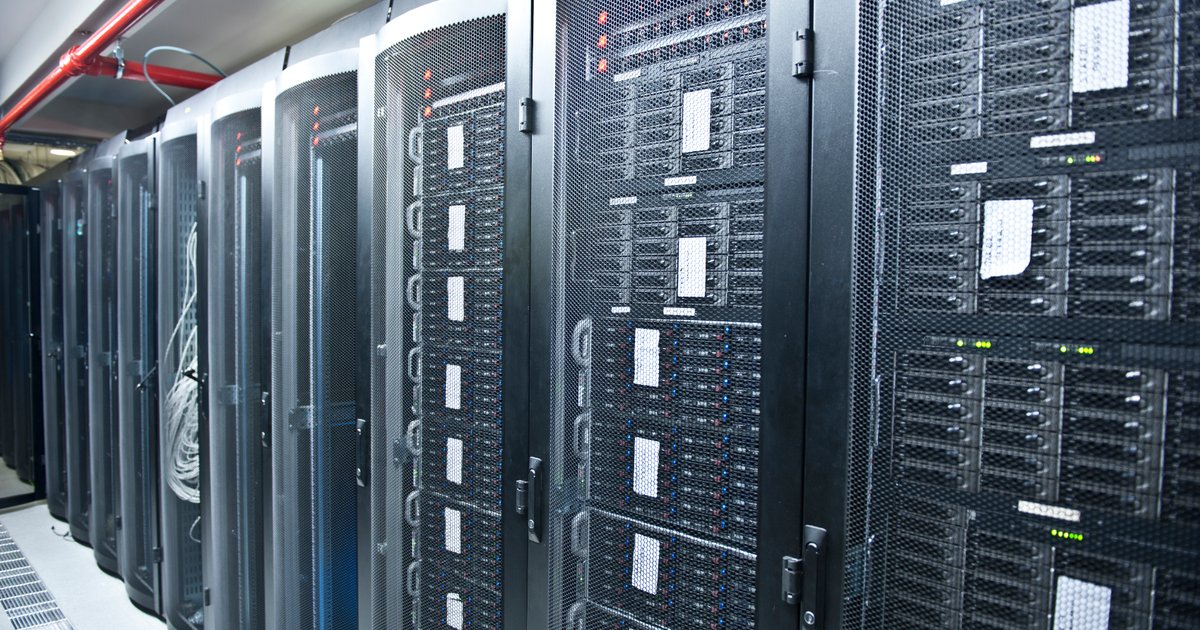
The digital transformation of Central Africa's economy is no longer a distant promise — it is happening now. From the bustling markets of Kinshasa to the growing business districts of Brazzaville, companies of every size are discovering that their competitiveness depends on how well they master digital tools. At the heart of this shift lies cloud computing, a technology that is reshaping how businesses in Congo-Brazzaville and the Democratic Republic of Congo store data, run applications, and serve their customers.
For years, many Central African enterprises relied on physical servers locked in back offices, vulnerable to power cuts, humidity, and hardware failure. Today, cloud computing offers a more resilient, flexible, and cost-effective alternative — provided it is deployed with the right local expertise. This is where CEC TELECOM has built its reputation as a trusted partner for businesses across the region.
What Is Cloud Computing, and Why Does It Matter in Central Africa?
Cloud computing means accessing computing resources — servers, storage, databases, software, and networking — over the internet, instead of owning and maintaining physical infrastructure on-site. Instead of buying a server for your office in Pointe-Noire, you rent capacity from a data center and pay only for what you use.
In Central Africa, this model solves several long-standing problems:
- Unreliable power supply. Frequent outages in Brazzaville and Kinshasa can cripple on-premise servers. A professionally managed data center compensates with backup generators, UPS systems, and redundant power feeds.
- High hardware costs. Importing and maintaining servers is expensive, with long delivery times and customs duties. Cloud services convert capital expenditure into predictable operating costs.
- Limited IT staffing. Many Congolese businesses struggle to recruit and retain certified system administrators. Cloud providers handle maintenance, patching, and security.
- Scalability. A retail business in Kinshasa that doubles its transactions during the holiday season can scale up instantly — and scale back down afterward.
The Congolese Business Case for the Cloud
Congo-Brazzaville and the DRC present a unique combination of opportunities and constraints. Internet penetration is growing rapidly thanks to expanded fiber networks and mobile broadband, while a new generation of entrepreneurs is building digital-first businesses in fintech, logistics, retail, and agribusiness.
Consider these concrete use cases:
Retail and Distribution
Supermarket chains and distributors operating across multiple cities need real-time visibility into stock levels. Cloud-based point-of-sale and inventory systems let managers in Brazzaville monitor a store in Lubumbashi or Dolisie from a single dashboard.
Banking, Microfinance, and Fintech
Financial institutions in the DRC are under pressure from regulators to ensure data security and business continuity. Cloud infrastructure with encrypted backups and disaster recovery meets these requirements far more reliably than in-house servers.
Healthcare and NGOs
Clinics and humanitarian organizations operating in remote areas need to synchronize patient records and field data. Cloud platforms allow field teams to upload information that becomes instantly available to coordination offices.
Professional Services
Law firms, accounting practices, and consultancies increasingly collaborate with international clients. Cloud-based document management and email suites make this collaboration seamless and secure.
Why Local Data Centers Matter
One question we hear constantly from Congolese business leaders is: "If my data is in the cloud, where exactly is it?" It is a legitimate concern. Latency, data sovereignty, and connectivity costs all depend on where your data physically resides.
Hosting your data in a local or regional data center — rather than in Europe or North America — delivers tangible advantages:
- Lower latency. Applications respond faster when data travels shorter distances, which matters for real-time tools like VoIP, video conferencing, and ERP systems.
- Reduced bandwidth costs. Local traffic consumes far less of your expensive international bandwidth.
- Regulatory compliance. Keeping sensitive data within national or regional borders simplifies compliance with local regulations.
- Better support. A local provider understands local conditions and can respond quickly when something goes wrong.
CEC TELECOM operates at the intersection of these needs, combining robust data center infrastructure with a deep understanding of the Central African market. Its teams support businesses in both Congo-Brazzaville and the DRC with solutions designed for local realities — not imported templates.
Cloud Service Models: Which One Fits Your Business?
Not all cloud services are the same. Understanding the main models helps you choose wisely.
Infrastructure as a Service (IaaS)
You rent virtual servers, storage, and networking. Your IT team manages the operating system and applications. This suits companies with in-house technical skills that want maximum control.
Platform as a Service (PaaS)
The provider manages the underlying infrastructure and runtime environment. Your developers focus on building applications. Ideal for software teams and digital startups.
Software as a Service (SaaS)
You simply use ready-made applications — email, accounting, CRM, collaboration tools — via subscription. This is the most accessible entry point for small and medium-sized businesses with limited IT resources.
Managed Cloud and Backup Services
The provider handles everything: migration, monitoring, security, and backup. This is often the best option for Congolese SMEs that want cloud benefits without building an internal IT department.
Practical Steps to Move Your Business to the Cloud
Migrating does not have to be disruptive. A structured approach minimizes risk:
- Assess your current infrastructure. Identify which applications and data are critical, and which can move first.
- Evaluate your connectivity. Reliable cloud access depends on reliable internet. Consider redundant connections where possible.
- Choose the right service model. Start with quick wins such as email and file storage before migrating core business systems.
- Prioritize security. Insist on encryption, access controls, and regular backups — and verify where your data is stored.
- Plan for continuity. Ensure your provider offers disaster recovery with clear recovery time objectives.
- Train your teams. Technology adoption succeeds when staff understand the tools and trust them.
- Partner with a local expert. A provider who knows the Congolese market can anticipate challenges that foreign vendors overlook.
Common Concerns — Addressed Honestly
"Is the cloud secure?" Reputable data centers typically offer better security than most individual businesses can achieve on their own: physical access controls, surveillance, fire suppression, and 24/7 monitoring.
"What if the internet goes down?" This is a real consideration in Central Africa. The answer is redundancy: multiple network paths, offline capabilities for critical applications, and a provider with robust connectivity agreements.
"Is it expensive?" Cloud services convert unpredictable capital costs into transparent monthly fees. For most SMEs, the total cost of ownership is lower than maintaining physical servers.
"Will I lose control of my data?" No — with the right contract and a trustworthy provider, you retain ownership and can export your data at any time. Transparency about data location and access should be non-negotiable.
The Road Ahead for Central African Businesses
The next five years will separate businesses that embrace digital infrastructure from those that resist it. Cloud computing is not a luxury for large corporations — it is becoming the baseline for competitiveness in Congo-Brazzaville, the DRC, and across the region. Companies that adopt early will enjoy faster innovation, lower costs, and greater resilience against disruptions.
The good news is that businesses no longer need to navigate this journey alone. Local expertise is available, and it understands the specific challenges of operating in Central Africa — from energy instability to cross-border logistics.
Ready to Move Your Business to the Cloud?
CEC TELECOM supports companies across Congo-Brazzaville and the DRC with reliable data center infrastructure, cloud solutions, and expert guidance tailored to the realities of the region. Whether you are taking your first step toward cloud adoption or planning a full migration, our team is ready to help you build a faster, safer, and more scalable digital foundation.
Contact CEC TELECOM today to discuss your cloud project and discover how the right infrastructure can transform the way your business operates. Our specialists are available to answer your questions, assess your needs, and propose a solution adapted to your budget and ambitions.