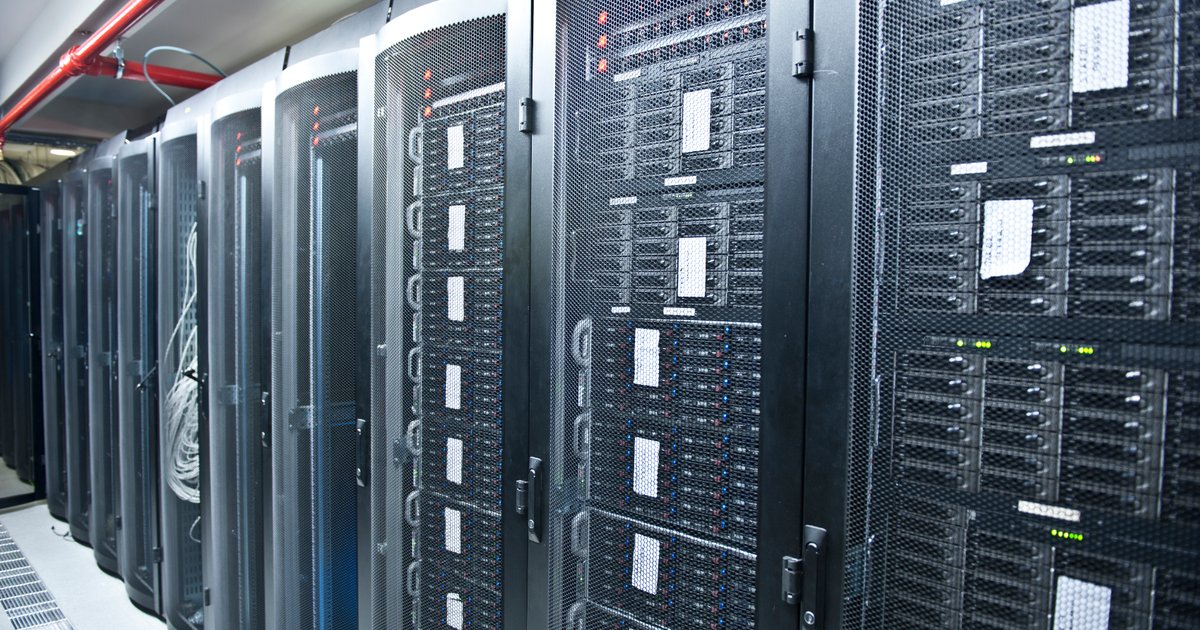

In Brazzaville and Kinshasa, few things disrupt business operations faster than an unexpected power cut. Whether you run a data centre, a bank branch, a clinic, a telecom site or a busy office in Gombe or Poto-Poto, the moment the grid drops, so does your productivity — and sometimes your most valuable equipment. An Uninterruptible Power Supply (UPS), known in French as an onduleur, is the first line of defence between your sensitive devices and the unpredictable power supply that many businesses in Congo-Brazzaville and the DRC know all too well.
At CEC TELECOM, we have spent years installing, maintaining and repairing power protection systems for companies across both countries. This article explains what a UPS does, why it matters so much in our region, and how to choose the right one for your business.
What exactly is a UPS?
A UPS is a device that sits between the electrical grid and your equipment. It contains a battery and an inverter that instantly supply clean, stable power when the mains fails or fluctuates. Unlike a generator, which takes several seconds to start, a UPS reacts in milliseconds — fast enough that your computers, servers and telecom equipment never even notice the outage.
There are three main types of UPS systems:
- Offline (standby) UPS – The most affordable option. It switches to battery power when it detects a power failure. Suitable for individual workstations, routers and point-of-sale terminals.
- Line-interactive UPS – Adds automatic voltage regulation (AVR), which corrects the frequent voltage drops and surges common on networks in Brazzaville and Kinshasa. A good choice for small offices and retail shops.
- Online (double-conversion) UPS – Continuously regenerates power through the inverter, delivering perfectly clean electricity with zero transfer time. This is the standard for servers, data centres, medical equipment and telecom infrastructure.
Why power protection matters more in Central Africa
Businesses in Congo-Brazzaville and the DRC face a specific set of energy challenges that make a UPS far more than a nice-to-have accessory.
An unstable grid
Load shedding, voltage sags, sudden spikes and frequency variations are part of daily life in many neighbourhoods. Each of these events stresses the internal power supply of your equipment. Over months, this leads to burnt motherboards, corrupted hard drives and failed network cards — repairs that cost far more than a UPS would have.
Generators alone are not enough
Many companies in Brazzaville and Kinshasa rely on diesel generators. They are essential for long outages, but they have two weaknesses: a start-up delay of 10 to 30 seconds, and a "dirty" output that can damage electronics. A UPS bridges the gap and filters the generator's current before it reaches your devices.
The cost of downtime
For a telecom operator, an internet service provider, a bank or a logistics company, every minute offline means lost revenue, broken service level agreements and frustrated customers. A UPS keeps your critical systems running long enough to shut down safely or to switch to backup generation.
Protecting your investment
Servers, routers, switches, VSAT terminals, medical devices and industrial control systems represent a significant capital investment. A UPS is one of the cheapest forms of insurance you can buy for that investment.
How to choose the right UPS for your business
Choosing a UPS is not simply a matter of picking the biggest box on the shelf. Several factors matter.
1. Calculate your power load
Add up the wattage of all the equipment you want to protect. As a rule of thumb, never load a UPS beyond 70–80% of its rated capacity, so that it retains room to grow and to handle start-up surges.
2. Decide on runtime
How long do you need to keep running? Five to ten minutes is enough to ride through short cuts and shut systems down cleanly. If you need to operate for hours, you should combine a UPS with a generator or with extended battery packs.
3. Check the output quality
For servers and sensitive telecom equipment, always choose an online double-conversion UPS with a pure sine wave output. Cheaper units with "simulated sine wave" output can cause overheating and premature failure in sensitive power supplies.
4. Plan for batteries and maintenance
Batteries are the heart of any UPS and typically need replacing every three to five years — sooner in hot, humid climates like ours. Ask about battery availability, warranty terms and local technical support before you buy.
5. Think about scalability and monitoring
Modular UPS systems let you add capacity as your business grows. Network management cards allow you to monitor battery health, load levels and alarms remotely — invaluable when your equipment is spread across multiple sites.
Common mistakes to avoid
- Plugging printers, heaters or air conditioners into a UPS. These draw far too much power and will drain the battery in seconds.
- Ignoring ventilation. UPS units and their batteries need cool, dust-free environments. A locked cupboard in a hot corridor is a recipe for early failure.
- Skipping maintenance. Batteries degrade silently. Without periodic testing, you may only discover a dead battery on the day of an outage.
- Buying without professional advice. A UPS that is undersized or the wrong technology will not protect anything — it will simply fail when you need it most.
CEC TELECOM: your power protection partner in Congo and the DRC
CEC TELECOM specialises in energy and telecom solutions for businesses operating in Congo-Brazzaville and the Democratic Republic of Congo. Our teams design, supply, install and maintain UPS systems adapted to the realities of our market: unstable grids, high temperatures, humidity and the need for fast, reliable local support.
We work with proven manufacturers and offer a full range of solutions — from compact line-interactive units for offices and shops to high-capacity online UPS systems for data centres, banks, hospitals and telecom sites. Our services include:
- Site audits and load assessments to size your UPS correctly
- Installation and commissioning by qualified technicians
- Battery replacement, preventive maintenance and 24/7 after-sales support
- Hybrid configurations combining UPS, generators and solar power
Because we understand the local context, we respond quickly, speak your language and stock the parts you are likely to need.
Don't wait for the next power cut
Every day without proper power protection is a day your equipment is at risk. Whether you are equipping a single office in Brazzaville or a network of sites across the DRC, CEC TELECOM can help you choose and install the right UPS solution — and keep it running for years to come.
Contact CEC TELECOM today for a free assessment of your energy needs and a personalised quotation. Protect your equipment, secure your operations and stop letting power cuts decide when your business works.